




How Goal-Based Investing Helps During Market Corrections
Learn how goal-based investing can help investors stay focused during market corrections with clear timelines and asset allocation. Explore the approach.
Overview
India's mutual fund industry hit Rs. 80 lakh crore in December 2025, yet most MFDs are on a treadmill -- bringing in Rs. 10 lakhs while Rs. 6 lakhs walks out to platforms or panic redemptions. Morningstar research shows that goal-based planning increases household utility-adjusted wealth by 15.09%, delivering an extra 1.65% annual alpha over standard balanced portfolios without additional market risk.
Key Points
- Separate goal buckets: each life goal gets its own timeline, risk level, and fund mix so clients track progress, not NAV swings
- Inflation reality check: education costs inflate at 6.5-7.5% -- underestimating by 1.5% leaves a Rs. 50 lakh fund short by Rs. 8-10 lakhs
- Glide-path allocation: 0-5 year goals stay in liquid and debt funds; 15-plus year goals run 75-90% equity early, de-risking in the final decade
- Retention math is clear: boosting client retention by just 5% can raise profits 25-95%, and new clients cost 5-25x more to acquire
- Communication shift: replace portfolio-down-12% with you-are-73%-on-track-for-Ravi-engineering-fund-with-8-years-remaining
Takeaways
When clients see their daughter's education or their retirement on a progress tracker, short-term volatility loses its power over their behavior -- and your practice stops being reactive. Every market cycle deepens the relationship rather than threatening it.
Action Step
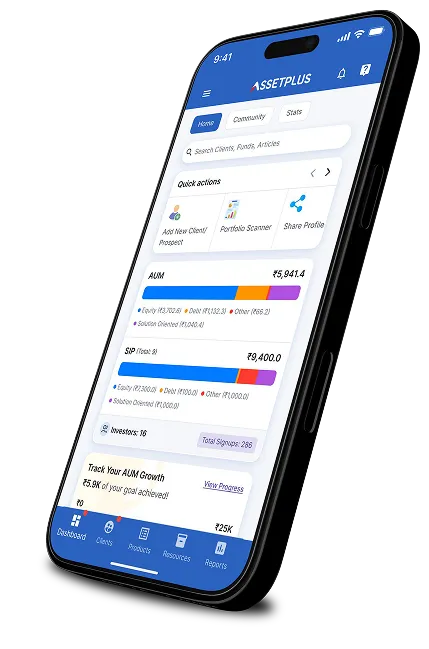
Book a 45-minute Financial Life Mapping session with one existing client this week: list their top five goals with specific amounts, timelines, and inflation-adjusted targets, then show a simple visual dashboard of goal progress.