


RBI intensifies bank cyber reviews, issues confidential API security advisories
November 19, 2026
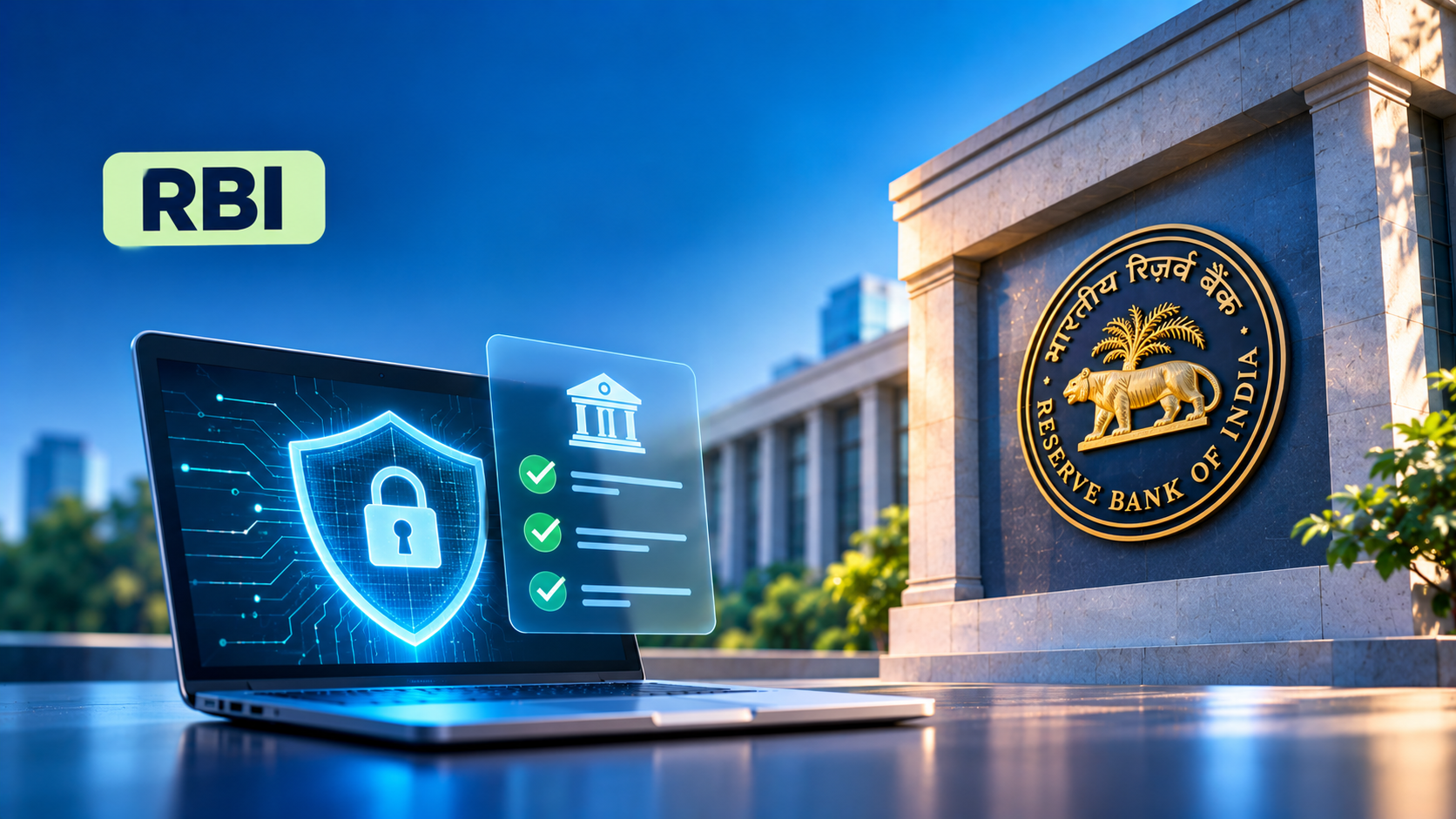
The Reserve Bank of India (RBI) has increased its engagement with banks and other financial institutions as cyberattacks on the financial sector rise, sources said.
According to them, the regulator is conducting more frequent discussions with senior leadership and is also interacting directly with chief information officers (CIOs), chief technology officers (CTOs) and chief information security officers (CISOs). The purpose of these conversations is to assess readiness, identify weak points, and strengthen defences to reduce the risk of breaches and improve response if an attack occurs. A senior banking official told Moneycontrol that RBI’s interaction with the BFSI ecosystem has been strong for some time, with an ongoing feedback loop between RBI supervisory teams and technology/security leaders at regulated entities. The official added that RBI’s involvement increased notably after the recent incident involving State Bank of India (SBI), referring to the October leak of customer data on the dark web.
The regulator is also speaking with individual banks to understand what caused cyber incidents and what areas require attention. The official said APIs are particularly exposed, and many hacking cases stem from API weaknesses. As banks digitise further and technology becomes central to operations, API governance is increasingly important within third-party risk management. APIs (Application Programming Interfaces) are software links that enable banks to share data and connect services with mobile applications and fintech partners.
Confidential advisories
This higher level of engagement has come along with two confidential RBI advisories. The most recent, dated November 16, is aimed at improving API security and governance across regulated entities, including banks and NBFCs. An earlier advisory on November 3 addressed safeguards for API-based fund transfers between banks and NBFCs. The official said the advisories also cover wider topics such as cybersecurity, digital transactions, KYC processes and AML checks. RBI did not respond to an email seeking confirmation of the increased engagement and details of the advisories before publication.
Focus on preparedness, not panic
The banking official said the additional interactions should not be seen as a sign of extraordinary alarm. One-on-one meetings with banks are routine, though recently there have been some extra sessions as a precaution to verify preparedness, with more meetings expected.
This attention follows recent cyber events involving financial institutions. In October, SBI reported a suspected exposure of about 3.75 lakh records on the dark web, including 3,897 records containing personally identifiable customer information. Separately, two Mumbai-based NBFCs reportedly lost around $2 million through over 700 unauthorised transfers from accounts held with ICICI Bank on October 8 and 9, with the alleged fraud linked to a compromised API used for sending loan-disbursement instructions.
CERT-In has also highlighted risks related to payment and disbursement APIs, cautioning financial institutions about vulnerabilities that could be misused for unauthorised transactions.
Source: Moneycontrol
Related Posts

Market participants push for LTCG & STT cuts; MF industry seeks debt fund tax parity
Pre-budget tax proposals—especially LTCG/STT cuts and debt fund tax parity—could materially influence investor returns and product positioning for MFDs.

LRS remittances: Lump-sum vs staggered transfers amid talk of RBI curbs and the 180-day rule
Possible RBI sub-limits under LRS are prompting clients to rethink timing of overseas remittances, making it crucial for MFDs to guide on LRS usage, 180-day repatriation, and compliant alternatives like GIFT City.

SEBI weighs tighter MTF rules as leveraged retail bets hit Rs 1.53 lakh crore
Possible SEBI curbs on margin-funded stock buying could temper leveraged retail activity—important for MFDs to watch for sentiment shifts in mid/small-cap equity exposure.


Market participants push for LTCG & STT cuts; MF industry seeks debt fund tax parity
Pre-budget tax proposals—especially LTCG/STT cuts and debt fund tax parity—could materially influence investor returns and product positioning for MFDs.
LRS remittances: Lump-sum vs staggered transfers amid talk of RBI curbs and the 180-day rule
Possible RBI sub-limits under LRS are prompting clients to rethink timing of overseas remittances, making it crucial for MFDs to guide on LRS usage, 180-day repatriation, and compliant alternatives like GIFT City.
SEBI weighs tighter MTF rules as leveraged retail bets hit Rs 1.53 lakh crore
Possible SEBI curbs on margin-funded stock buying could temper leveraged retail activity—important for MFDs to watch for sentiment shifts in mid/small-cap equity exposure.