


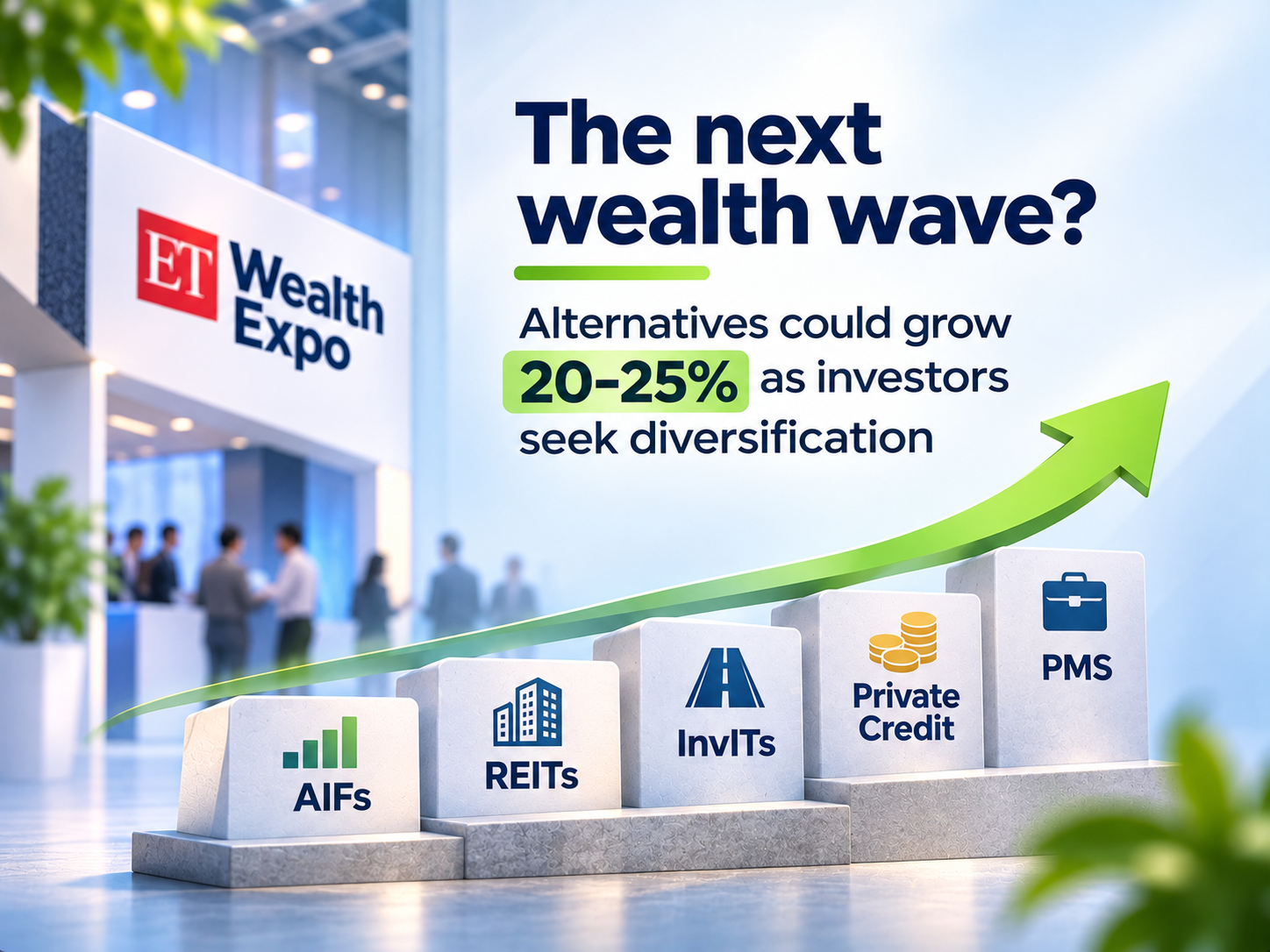
ET Wealth Expo: The next wealth wave? Alternatives could grow 20-25% as investors seek diversification, sa
November 10, 2026
Investing calls for patience and a practical view of how various asset classes deliver returns across different time periods.
India’s investing environment is moving into a new stage, where alternative assets could expand faster as rising wealth encourages investors to look beyond conventional equity and mutual fund holdings.
Even so, A. Balasubramanian, Managing Director & CEO of Aditya Birla Sun Life AMC Ltd, said investors should not give up the core of their portfolios in pursuit of newer avenues.
At the ET Wealth Expo 2026, he said mutual funds should remain the central foundation of an investor’s portfolio, while alternatives can serve as a satellite allocation that may improve returns and increase diversification.
He explained that portfolio building should be approached through a “core versus satellite” framework—where the core continues to be traditional mutual fund asset classes and alternatives play a supporting role.
He noted that over the last decade, higher retail participation in capital markets along with the growing discipline of regular SIP savings has reshaped India’s investment landscape.
According to him, strong capital markets have also created a wealth effect that has boosted participation in direct equities, especially after the Covid-19 pandemic.
As investors build sizeable exposure to listed stocks, many are now looking at alternative avenues such as fixed income, real estate, REITs and InvITs.
He said the alternatives space is seeing significant innovation through differentiated product offerings, and India may be at the start of the next growth phase for alternative investments.
Balasubramanian expects alternatives to potentially expand faster than the mutual fund industry, though from a smaller base and among a narrower set of investors.
He added that while mutual funds grow at an average pace of about 18%, part of that is driven by market gains. In contrast, alternatives are more directly propelled by rising investor wealth and demand for distinct investment options.
In his assessment, alternatives could grow around 20–25%, supported by increasing wealth among affluent investors and their search for opportunities beyond listed equities.
He also said the experience for investors in alternatives has improved in recent years, with outcomes appearing relatively more stable than in earlier cycles.
While fewer investors may participate in alternatives compared with mutual funds, he said the ticket sizes and overall investment value could be much larger.
At the same time, the expanding set of choices brings challenges.
He cautioned that “more choices” can translate into “more risk,” particularly when investors are dealing with uncertainty across global equities, fixed income and alternative markets.
He pointed to volatility in global bond markets and the heavy capital being deployed into new themes such as artificial intelligence.
While AI is a genuine opportunity, he said investors must also evaluate the economics—especially how long it could take for companies to earn adequate returns on the large investments being made.
He said investors need to decide what portion of their portfolio should go into true long-term allocations and how much risk they are prepared to take in more speculative ideas.
In this context, he said fixed income should remain part of diversification. He also highlighted earning assets—equity, fixed income and credit-oriented alternatives—as areas investors may consider based on risk appetite and asset-allocation plans.
A key takeaway from the discussion was the need to keep return expectations realistic.
He described fixed-income returns as more visible because interest income accrues over time, though credit risk and defaults still matter.
Equities can feel erratic in the short run, even though they can build wealth over longer horizons.
He therefore advised against expecting money to double within a year or two, saying such outcomes may not be sustainable.
Overall, he reiterated that investing requires patience and a grounded understanding of how different assets generate returns over varying time frames.
He also shared a guiding principle for evaluating opportunities—especially in fixed income and unfamiliar assets: focus not only on return on capital, but also on return of capital.
He said investors should know who they are lending to, evaluate governance and fundamentals, and avoid getting carried away by market excitement or unusually high-return promises.
He warned against chasing asset classes or opportunities that look attractive but have not yet demonstrated their strength.
He concluded that core asset classes should remain part of every portfolio, underscoring long-term investing and the benefits of compounding.
His closing message was that alternatives could be the next major phase in India’s investing journey, but they should add to—not substitute—a strong core portfolio built on long-term objectives, solid fundamentals and disciplined asset allocation.
Source: The Economic Times
Related Posts

Arbitrage mutual funds swing back to inflows in October 2026 with ₹3,929 crore: Top 5 schemes by 1, 3, 5-year returns
Arbitrage funds saw a sharp flow reversal in Oct 2026 with ₹3,929 crore inflows, highlighting renewed short-term parking demand rather than higher equity risk appetite.
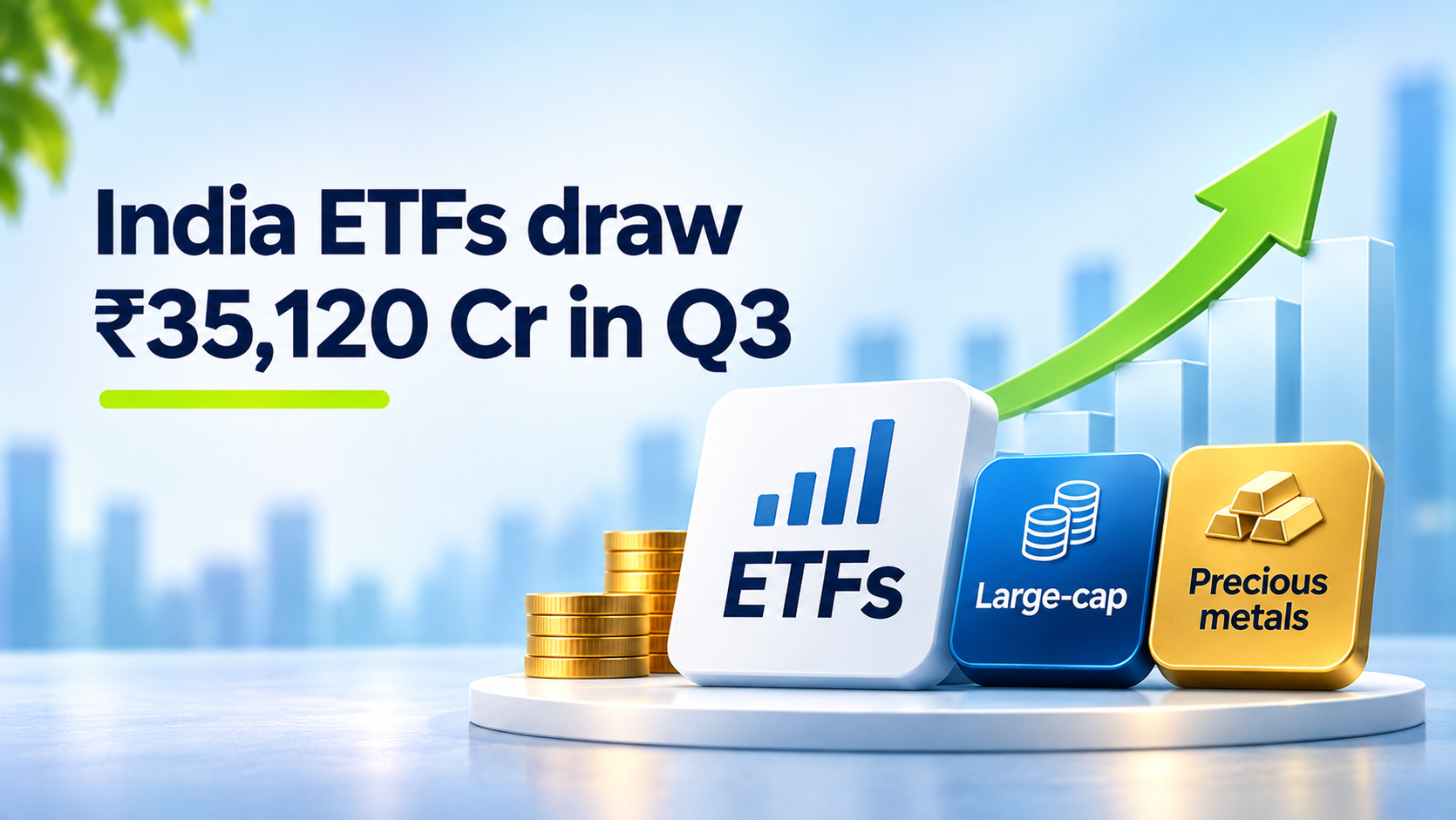
India ETFs draw ₹35,120 crore in Q3 as large-cap, precious metals lead inflows
Q3 ETF inflows stayed strong and concentrated in large-cap index and gold-linked products, signalling where client demand is shifting and where duration risk is being avoided.

Debt Mutual Funds See ₹1 Lakh Crore Outflows in June
Large June redemptions from debt funds are mainly quarter-end, tax-driven flows rather than a lasting shift away from fixed income, so MFDs should focus on explaining this seasonality to clients.


Arbitrage mutual funds swing back to inflows in October 2026 with ₹3,929 crore: Top 5 schemes by 1, 3, 5-year returns
Arbitrage funds saw a sharp flow reversal in Oct 2026 with ₹3,929 crore inflows, highlighting renewed short-term parking demand rather than higher equity risk appetite.
India ETFs draw ₹35,120 crore in Q3 as large-cap, precious metals lead inflows
Q3 ETF inflows stayed strong and concentrated in large-cap index and gold-linked products, signalling where client demand is shifting and where duration risk is being avoided.
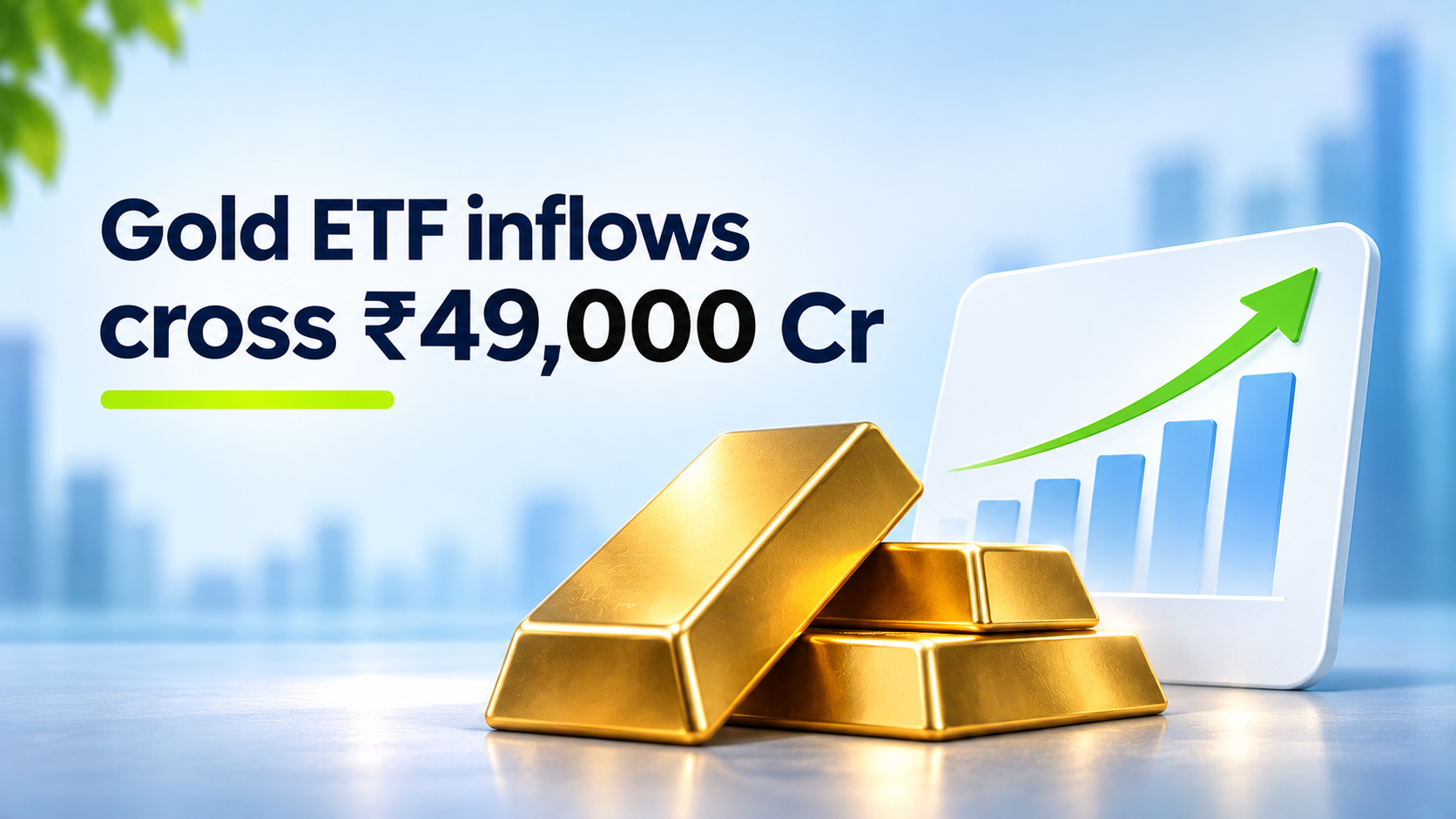
Gold ETF inflows beat full-year 2025 total in just 10 months, cross Rs 49,000 crore
Gold ETF inflows have already exceeded last year’s full total, signalling strong client appetite for gold as a long-term diversifier despite a slower October.