


Dollar hedging by Indian companies slumps as RBI cracks down on speculation
November 5, 2026
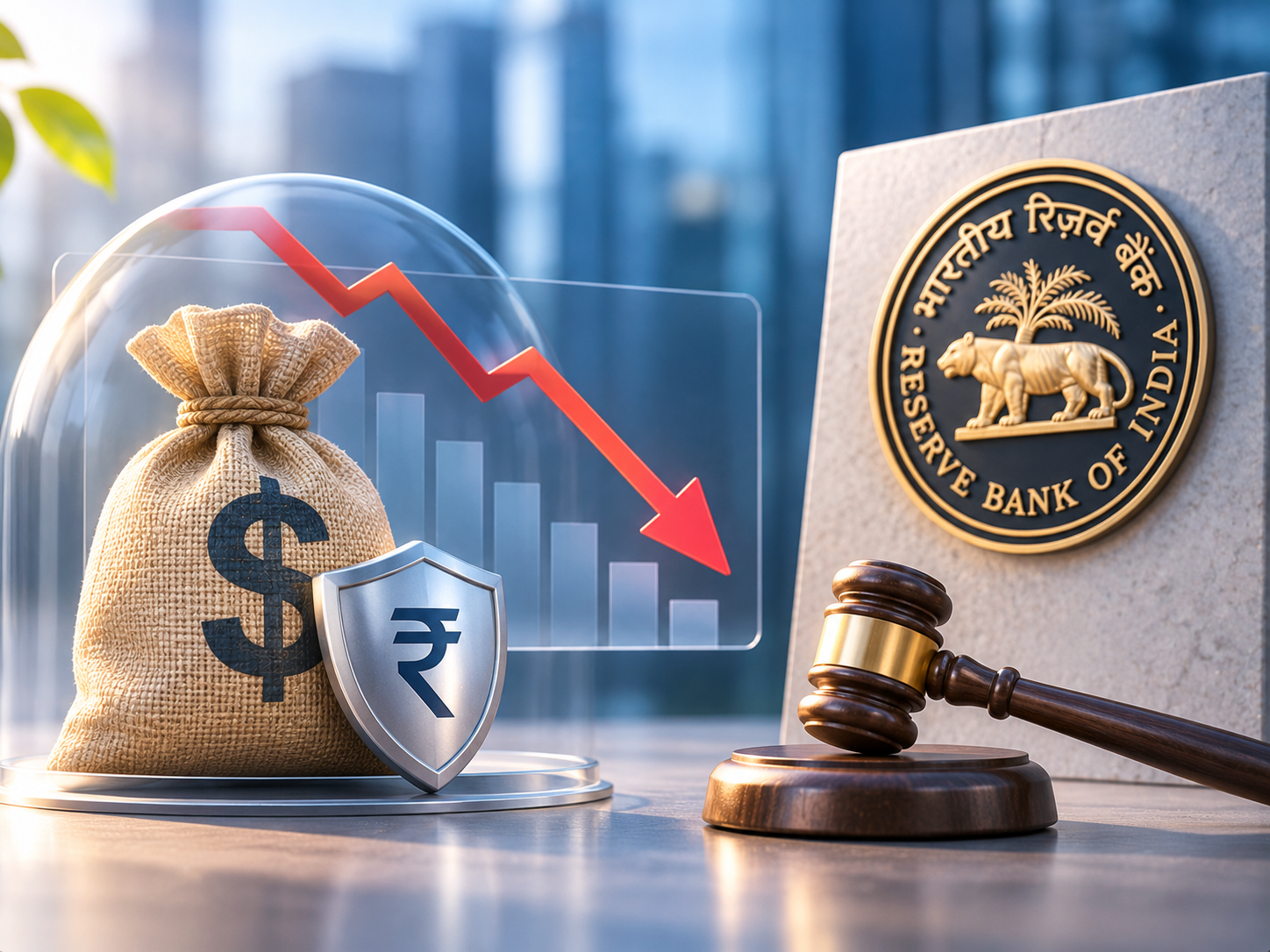
Indian firms have reduced their dollar buying meant to protect against rupee depreciation to the lowest level in eight months, suggesting the central bank’s action against what it termed speculative currency positioning is having an effect.
Clearinghouse data shows forward dollar purchases—agreements to buy US dollars at a future date—dropped 35% in October from the prior month’s record to $49.5 billion. This was the smallest figure since February and largely represents importers hedging potential losses from a weaker rupee.
The decline came after the Reserve Bank of India introduced broad measures last month as the rupee approached a record low. These steps, including a China-style FX risk reserve requirement, have increased the cost of building forward dollar positions. That has helped reduce pressure on the rupee even as expensive oil continues to weigh on India’s external accounts. Since then, the rupee has gained about 2% versus the dollar.
Madhavi Arora, chief economist at Emkay Global Financial Services Ltd., said the moves indicate policymakers are uneasy about ongoing FX stress, though she described them as short-term tactics rather than long-term fixes.
Building on measures taken in March, the latest curbs show the RBI is leaning more on regulatory tools in addition to direct market intervention to support the rupee. Despite the recent bounce, the rupee remains one of the weaker Asian currencies this year.
The actions have also unsettled hedging markets, with activity slowing sharply after the restrictions began. The price of hedging against rupee weakness jumped to multi-year highs last month and is still elevated, which could dampen foreign investors’ interest in Indian assets.
Norbert Ling, head of fixed income portfolio management for Asia Pacific at Invesco Hong Kong Ltd., noted that for investors who fully hedge currency risk, higher hedging costs can reduce the yield advantage of Indian bonds. Foreign investors sold about $590 million of index-eligible bonds in October, marking a second consecutive month of outflows even after recent tax cuts aimed at global funds.
The impact has also reached exporters, who have been reluctant to sell dollars forward to guard against a stronger rupee due to uncertainty around the currency’s direction. Their forward dollar sales fell to $32.2 billion last month, the lowest since May, according to the data.
Still, the regulatory steps have so far limited pressure in the forward market, even though underlying dollar demand remains strong. Importers’ average monthly dollar purchases have risen roughly 40% this year to $62 billion, highlighting the scale of demand for US currency.
Source: BusinessLine
Related Posts

SEBI to roll out AI-use rules for capital markets with investor-protection guardrails
MFDs using AI-led tools for client communication or investment processes should prepare for SEBI’s upcoming guardrails on disclosures, accountability and human oversight.

SEBI forms panel to overhaul ICDR rules for IPOs, FPOs and QIPs
SEBI’s review of IPO/FPO/QIP rules could streamline disclosures and processes, potentially boosting primary market activity that impacts equity market sentiment and client interest.

Retail inflation jumps to 6.09% in October
CPI inflation crossing 6% raises the probability of an RBI rate hike, which can impact debt fund returns and client asset-allocation conversations.


SEBI to roll out AI-use rules for capital markets with investor-protection guardrails
MFDs using AI-led tools for client communication or investment processes should prepare for SEBI’s upcoming guardrails on disclosures, accountability and human oversight.
SEBI forms panel to overhaul ICDR rules for IPOs, FPOs and QIPs
SEBI’s review of IPO/FPO/QIP rules could streamline disclosures and processes, potentially boosting primary market activity that impacts equity market sentiment and client interest.
Retail inflation jumps to 6.09% in October
CPI inflation crossing 6% raises the probability of an RBI rate hike, which can impact debt fund returns and client asset-allocation conversations.